Sheep Fencing Guide: Types, Costs, and Installation
Everything you need to know about fencing for sheep, including the best options, estimated costs, and installation tips.
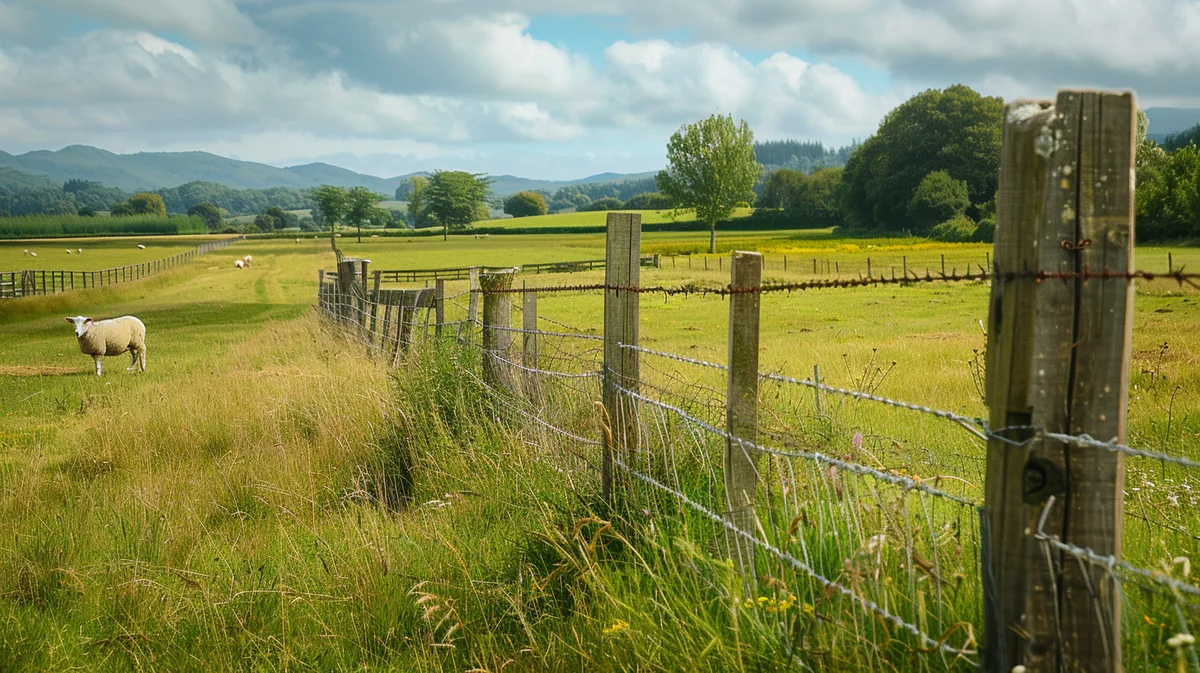
Sheep Fencing Guide: Types, Costs, and Installation
Good fencing is essential for successful sheep farming. It keeps your flock safe from predators, prevents escapes, and allows you to manage grazing effectively. This guide covers everything you need to know about fencing for sheep.
Fencing Requirements for Sheep
Before choosing a fence type, understand what sheep fencing needs to accomplish:
Keep Sheep In
- Sheep are generally not escape artists like goats
- Lambs can squeeze through small gaps (4” or larger)
- Rams may challenge fences during breeding season
- Minimum height: 4 feet (5 feet recommended)
Keep Predators Out
- Dogs are the #1 predator threat in most areas
- Coyotes, foxes, and mountain lions depending on location
- Electric fencing adds psychological deterrent
- Proper ground-level protection essential
Enable Management
- Rotational grazing requires multiple paddocks
- Sorting and handling areas need sturdy fencing
- Gates must accommodate equipment access
Types of Sheep Fencing
1. Woven Wire (Field Fence)
The traditional choice for permanent sheep fencing.
Specifications:
- 12.5 gauge wire (heavier is better)
- 4” x 4” spacing at bottom, larger at top
- 47” height minimum (sheep/goat specific)
Pros:
- Very durable (20+ year lifespan)
- Effective predator deterrent
- Low maintenance once installed
- Works well on uneven terrain
Cons:
- Higher initial cost
- Labor-intensive installation
- Permanent - hard to move
Cost: $1.50-3.00 per linear foot (materials)
Best For: Permanent perimeter fencing
2. High-Tensile Electric
Multiple strands of electrified wire.
Specifications:
- 5-7 strands for sheep
- 12.5 gauge high-tensile wire
- Strands at 6”, 12”, 18”, 26”, 34”, 42”
- Minimum 4,000 volts on line
Pros:
- More affordable than woven wire
- Excellent predator deterrent
- Long lifespan
- Can cover large areas economically
Cons:
- Requires power source
- Regular voltage checking needed
- Animals must be trained
- Vegetation management required
Cost: $0.50-1.50 per linear foot
Best For: Large acreage, predator pressure areas
3. Electric Netting (ElectroNet)
Portable, temporary fencing for rotational grazing.
Specifications:
- 35-42” height for sheep
- Built-in posts
- Solar or battery energizers available
- 164’ rolls standard
Pros:
- Highly portable
- Quick to set up
- Excellent for rotational grazing
- Great predator protection
Cons:
- Higher cost per foot
- Not permanent solution
- Requires daily/weekly moves
- Can tangle in vegetation
Cost: $2.00-4.00 per linear foot
Best For: Rotational grazing, temporary paddocks
4. Board/Rail Fencing
Traditional wooden fencing.
Specifications:
- 4-5 horizontal boards
- Posts every 8 feet
- 4-5 foot height
Pros:
- Attractive appearance
- Highly visible to sheep
- Traditional look
Cons:
- Expensive
- High maintenance
- Sheep can damage with rubbing
- Poor predator protection alone
Cost: $8-15 per linear foot
Best For: Show farms, front property lines, small areas
5. Cattle Panels
Rigid welded wire panels.
Specifications:
- 16’ length x 50” height typical
- 4” x 4” openings
- Heavy gauge steel
Pros:
- Very sturdy
- Quick to install
- Reusable/portable
- Long lasting
Cons:
- Expensive for large areas
- Gap size can trap lambs
- Not predator-proof alone
Cost: $25-40 per panel ($1.50-2.50 per foot)
Best For: Handling areas, small paddocks, gates
Cost Comparison Chart
| Fence Type | Materials/ft | Labor/ft | Total/ft | 1-Acre Perimeter |
|---|---|---|---|---|
| Woven Wire | $1.50-3.00 | $1.00-2.00 | $2.50-5.00 | $2,100-4,200 |
| High-Tensile Electric | $0.50-1.50 | $0.50-1.00 | $1.00-2.50 | $840-2,100 |
| Electric Netting | $2.00-4.00 | DIY | $2.00-4.00 | $1,680-3,360 |
| Board Fence | $5.00-10.00 | $3.00-5.00 | $8.00-15.00 | $6,720-12,600 |
| Cattle Panels | $1.50-2.50 | $0.50-1.00 | $2.00-3.50 | $1,680-2,940 |
One acre perimeter = approximately 840 linear feet
Recommended Combinations
Best Overall: Woven Wire + Electric
Combines physical barrier with psychological deterrent.
Setup:
- Woven wire as primary barrier
- Single electric wire 6” off ground (outside)
- Single electric wire at nose height (inside, optional)
Why It Works:
- Physical barrier stops most threats
- Electric trains animals away from fence
- Predators shocked before reaching wire
- Very secure system
Budget Option: High-Tensile Electric
For larger acreages where cost is a factor.
Setup:
- 6-7 strands of high-tensile
- Good grounding system
- Quality energizer (low-impedance)
- Proper training of sheep
Rotational Grazing: Permanent Perimeter + Electric Netting
Setup:
- Woven wire or high-tensile perimeter
- Electric netting for interior paddocks
- Solar energizer for flexibility
Installation Tips
Post Spacing
- Woven wire: 12-16 feet
- High-tensile: 30-50 feet
- Corner/brace posts: Set 3-4 feet deep
Corner Braces
Critical for fence longevity. Options:
- H-brace (most common)
- Double H-brace (for long runs)
- Deadman anchor (rocky soil)
Gates
- Plan gate placement before building
- Size for equipment access (12-16 feet)
- Use quality hinges and latches
- Consider sorting gate locations
Ground Clearance
- No more than 4” gap at ground level
- Use tension wire or boards at bottom
- Consider apron wire for predator areas
Energizer Sizing
For electric fencing, proper energizer sizing is crucial:
| Fence Length | Minimum Joules | Recommended |
|---|---|---|
| Up to 5 miles | 0.5 joules | 1.0 joules |
| 5-15 miles | 1.0 joules | 2.0 joules |
| 15-30 miles | 2.0 joules | 4.0 joules |
Rule of Thumb: Buy more joules than you think you need. Vegetation and conditions reduce output.
Maintenance Schedule
Weekly
- Walk fence lines
- Check energizer voltage
- Clear vegetation from electric
Monthly
- Test all strands
- Check insulators
- Inspect gates
Annually
- Tighten wires
- Replace damaged components
- Check posts for rot
- Test grounding system
Common Mistakes to Avoid
- Undersizing energizer - More joules is better
- Poor grounding - Use at least 3 ground rods
- Wrong wire spacing - Lambs escape through 4”+ gaps
- Skipping corner braces - Leads to fence failure
- Cheap materials - False economy
- Ignoring vegetation - Shorts out electric
Where to Buy
Online Suppliers
- Premier 1 Supplies (premier1supplies.com)
- Kencove Farm Fence (kencove.com)
- Gallagher (gallagher.com)
Local Sources
- Farm supply stores (Tractor Supply, Rural King)
- Lumber yards
- Agricultural co-ops
Looking for fencing supplies and equipment? Check our supplier directory for recommendations in your area.
Enjoyed this article?
Subscribe to get more farming tips and guides delivered to your inbox.
Related Articles
12 Common Sheep Diseases: Symptoms, Treatment & Prevention
Learn to identify and prevent the most common sheep diseases including parasites, foot rot, bloat, and pregnancy toxemia. Essential health guide for shepherds.
Read More
Goat Milk vs Cow Milk: 10 Key Differences & Health Benefits
Is goat milk better than cow milk? Compare nutrition, digestibility, taste, and health benefits of goat milk vs cow milk for your family.
Read More