Goat Milk vs Cow Milk: 10 Key Differences & Health Benefits
Is goat milk better than cow milk? Compare nutrition, digestibility, taste, and health benefits of goat milk vs cow milk for your family.
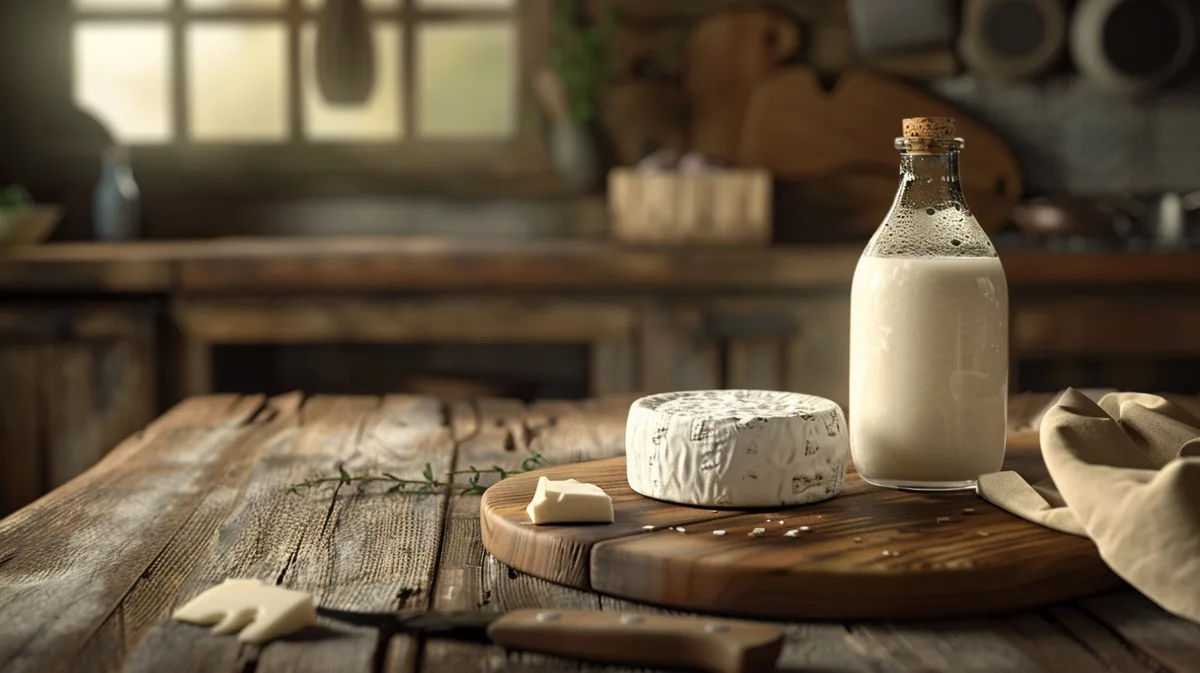
Goat Milk vs Cow Milk: 10 Key Differences & Health Benefits
Goat milk is gaining popularity as more people discover its unique benefits. But how does it really compare to cow milk? This comprehensive guide breaks down the nutritional differences, digestibility factors, and potential health benefits to help you decide if goat milk is right for you.
Nutritional Comparison
Macronutrients per Cup (8 oz)
| Nutrient | Goat Milk | Cow Milk (Whole) |
|---|---|---|
| Calories | 168 | 149 |
| Protein | 9g | 8g |
| Fat | 10g | 8g |
| Carbs | 11g | 12g |
| Sugar | 11g | 12g |
Key Vitamins and Minerals
| Nutrient | Goat Milk | Cow Milk | Winner |
|---|---|---|---|
| Calcium | 327mg (25% DV) | 276mg (21% DV) | Goat |
| Phosphorus | 271mg (22% DV) | 222mg (18% DV) | Goat |
| Potassium | 498mg (11% DV) | 322mg (7% DV) | Goat |
| Vitamin A | 483 IU (10% DV) | 395 IU (8% DV) | Goat |
| Vitamin B12 | 0.17mcg (3% DV) | 1.1mcg (18% DV) | Cow |
| Riboflavin | 0.34mg (20% DV) | 0.45mg (26% DV) | Cow |
10 Key Differences Between Goat and Cow Milk
1. Digestibility
Goat milk is easier to digest for many people.
Why?
- Smaller fat globules: Goat milk fat globules are about 1/5 the size of cow milk
- Softer curd: Forms a softer, smaller curd in the stomach
- Faster digestion: Moves through digestive system more quickly
This matters if you experience:
- Bloating after drinking cow milk
- Stomach discomfort
- General digestive issues
2. Fat Composition
Goat milk has a different fat structure.
| Fat Type | Goat Milk | Cow Milk |
|---|---|---|
| Medium-chain fatty acids | Higher | Lower |
| Short-chain fatty acids | Higher | Lower |
| Long-chain fatty acids | Lower | Higher |
Benefits of MCFAs:
- Absorbed more directly
- Provide quick energy
- May support metabolism
- Don’t require bile salts for digestion
3. Protein Structure
Different proteins, different reactions.
| Protein | Goat Milk | Cow Milk |
|---|---|---|
| A2 beta-casein | Primary | Varies by breed |
| A1 beta-casein | Very low | Common |
| Alpha-s1 casein | Lower | Higher |
Why this matters:
- A1 casein linked to digestive discomfort in some studies
- Alpha-s1 casein most allergenic component
- Goat milk may be tolerated by some with mild cow milk sensitivity
Important: Goat milk is NOT safe for those with true milk allergies.
4. Lactose Content
Similar lactose levels, but…
Both milks contain approximately 4.5% lactose. However, some lactose-intolerant individuals report tolerating goat milk better.
Possible explanations:
- Faster digestion = less time for fermentation
- Overall easier digestibility
- Placebo effect in some cases
Note: Goat milk is not lactose-free and is not recommended for severe lactose intolerance.
5. Taste and Flavor
Goat milk has a distinctive taste.
Fresh goat milk characteristics:
- Slightly sweet
- Clean finish
- Mild flavor when properly handled
What causes “goaty” flavor?
- Capric, caprylic, and caproic acids
- Buck proximity during milking
- Poor handling or storage
- Diet of the goats
Getting good-tasting goat milk:
- Buy from quality farms
- Ensure proper chilling immediately after milking
- Keep buck separate from milking does
- Store in glass containers
6. Cream and Butter
Goat milk cream doesn’t separate naturally.
| Property | Goat Milk | Cow Milk |
|---|---|---|
| Cream separation | Minimal | Rises quickly |
| Naturally homogenized | Yes | No |
| Butter making | More difficult | Easy |
Implications:
- Goat milk stays naturally mixed
- Great for drinking, but harder for butter
- Special equipment needed for cream/butter
7. Cheese Making
Both milks make excellent cheese, with differences.
| Cheese Property | Goat Cheese | Cow Cheese |
|---|---|---|
| Yield | Lower (less casein) | Higher |
| Flavor | Tangy, distinct | Milder |
| Texture | Often softer | Varies |
| Popular types | Chevre, feta | Cheddar, mozzarella |
Goat cheese benefits:
- Lower lactose (whey drains off)
- Distinctive flavor
- Often easier to digest
8. Allergy Considerations
Goat milk is NOT hypoallergenic.
| Consideration | Details |
|---|---|
| Cow milk allergy | About 90% also react to goat milk |
| Cross-reactivity | High between goat and cow proteins |
| Sheep milk | Similar cross-reactivity |
May help with:
- Mild cow milk sensitivity (not true allergy)
- A1 casein intolerance specifically
- General digestive discomfort
Will NOT help with:
- True milk protein allergy
- Severe lactose intolerance
9. For Babies and Children
Important considerations for pediatric use.
| Age Group | Recommendation |
|---|---|
| Under 1 year | Neither as primary milk (use formula or breast milk) |
| 1-2 years | Consult pediatrician before switching |
| 2+ years | Either can be appropriate |
Concerns with goat milk for infants:
- Lower folic acid than cow milk
- Lower vitamin B12
- Not a complete infant nutrition source
Benefits for older children:
- May be gentler on sensitive stomachs
- Good calcium source
- Palatable to many kids
10. Cost and Availability
Goat milk is typically more expensive.
| Factor | Goat Milk | Cow Milk |
|---|---|---|
| Store price | $8-12/gallon | $3-5/gallon |
| Farm direct | $6-10/gallon | $4-8/gallon |
| Availability | Limited | Widespread |
| Organic options | Growing | Common |
Why goat milk costs more:
- Lower production per animal
- Smaller farms, less economy of scale
- Niche market
- Shorter shelf life
Health Benefits of Goat Milk
Potential Benefits
-
Digestive Comfort
- Easier on sensitive stomachs
- Faster digestion
- May reduce bloating
-
Nutrient Absorption
- Better mineral bioavailability
- Higher absorption rates reported
-
Skin Health
- Used in lotions and soaps
- pH closer to skin’s natural pH
- Moisturizing fatty acids
-
Bone Health
- High calcium content
- Good phosphorus levels
- Vitamin D in fortified versions
What Research Shows
Established findings:
- Different protein structure from cow milk
- Smaller fat globules confirmed
- Higher certain vitamins and minerals
Needs more research:
- Long-term health benefits
- Specific disease prevention
- Optimal populations for consumption
Choosing Between Goat and Cow Milk
Consider Goat Milk If You:
- Experience digestive discomfort with cow milk
- Want to try something different
- Are interested in making cheese
- Have access to quality fresh goat milk
- Don’t have a dairy allergy
Stick with Cow Milk If You:
- Have no digestive issues with cow milk
- Budget is a primary concern
- Need wide availability
- Prefer the taste
- Need higher B12 content
Try Both If You:
- Are curious about the differences
- Want variety in your diet
- Are exploring dairy options
- Want to compare for yourself
How to Start Drinking Goat Milk
Finding Quality Goat Milk
- Farm direct: Best freshness and quality
- Farmers markets: Meet the farmer
- Health food stores: Reliable brands
- Grocery stores: Growing availability
Tips for First-Timers
- Start with fresh (not UHT/shelf-stable)
- Try from a reputable dairy farm
- Keep well-chilled
- Use within 5-7 days
- Try in coffee or smoothies first
Raising Your Own Dairy Goats
If you’re considering producing your own goat milk, these breeds are best for dairy:
| Breed | Milk Production | Butterfat |
|---|---|---|
| Saanen | Highest | 3-4% |
| Alpine | High | 3-4% |
| Nubian | Moderate | 5-6% |
| Nigerian Dwarf | Lower volume | 6-10% |
| LaMancha | High | 4-5% |
Frequently Asked Questions
Is goat milk healthier than cow milk? “Healthier” depends on individual needs. Goat milk offers easier digestibility and different nutrient profiles, but both can be part of a healthy diet.
Can I give my baby goat milk? Not as a primary milk source before age 1. Always consult your pediatrician for infant nutrition decisions.
Why does some goat milk taste bad? “Goaty” taste usually indicates poor handling, buck proximity, or old milk. Fresh, properly handled goat milk tastes mild and sweet.
Is goat milk good for lactose intolerance? Goat milk contains lactose similar to cow milk. Some people tolerate it better due to easier digestion, but it’s not lactose-free.
Can I make butter from goat milk? Yes, but it’s more difficult because the cream doesn’t separate naturally. You’ll need a cream separator.
Conclusion
Goat milk offers a viable alternative to cow milk with some distinct advantages, particularly for digestibility. While not a solution for true dairy allergies, many people find goat milk easier on their stomachs. The higher price point is offset by unique nutritional properties and uses.
The best way to know if goat milk is right for you? Try it yourself with fresh, quality milk from a reputable source.
Interested in dairy goats for your farm? Browse our breeder directory to find dairy goat breeders near you.
Want to raise your own dairy goats? Read our Nigerian Dwarf goat guide or complete guide to starting a goat farm.
Enjoyed this article?
Subscribe to get more farming tips and guides delivered to your inbox.
Related Articles

Sheep Fencing Guide: Types, Costs, and Installation
Everything you need to know about fencing for sheep, including the best options, estimated costs, and installation tips.
Read More
12 Common Sheep Diseases: Symptoms, Treatment & Prevention
Learn to identify and prevent the most common sheep diseases including parasites, foot rot, bloat, and pregnancy toxemia. Essential health guide for shepherds.
Read More