Lambing Season Checklist: Complete Preparation Guide
Get ready for lambing season with this comprehensive checklist covering supplies, facilities, and emergency procedures.
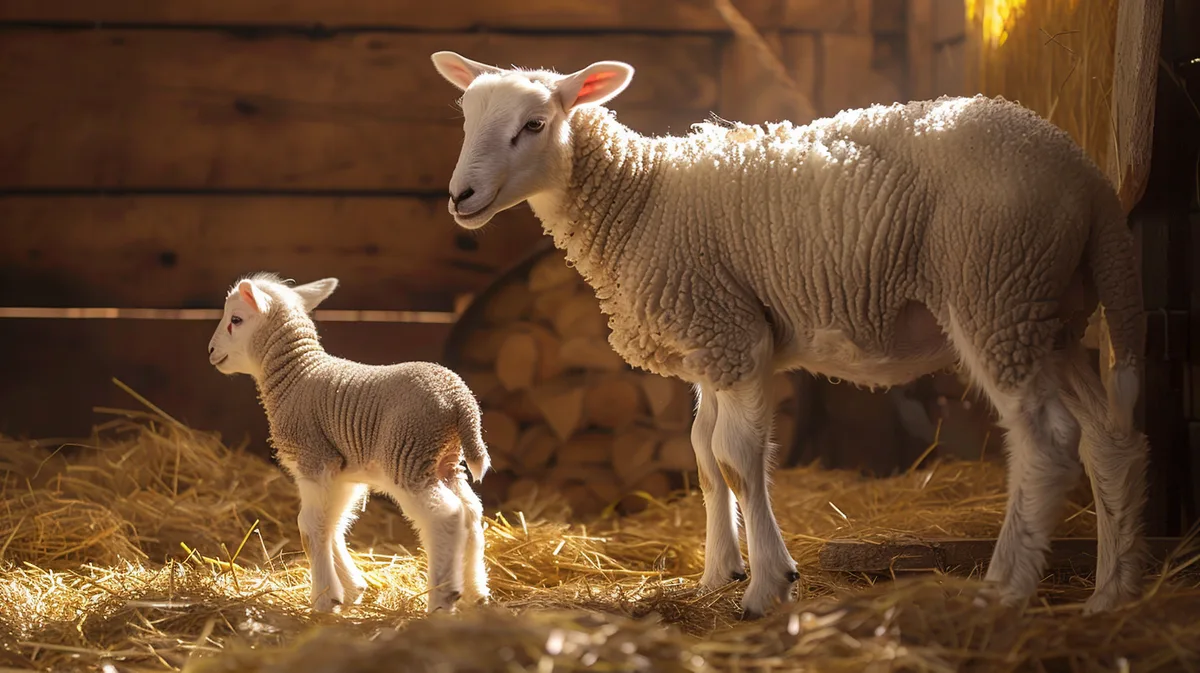
Lambing Season Checklist: Complete Preparation Guide
Lambing season is one of the most exciting - and demanding - times on a sheep farm. Proper preparation can mean the difference between smooth deliveries and stressful emergencies. Use this comprehensive checklist to get ready.
Timeline: When to Prepare
| Weeks Before Due Date | Tasks |
|---|---|
| 8 weeks | Order supplies, set up facilities |
| 4 weeks | Final vaccinations, increase nutrition |
| 2 weeks | Move ewes to lambing area, final prep |
| 1 week | Daily monitoring begins |
Essential Supplies Checklist
Delivery Supplies
- OB lubricant (1 gallon minimum)
- OB sleeves/gloves (long-sleeved)
- Iodine (7% for navels)
- Navel dip cups or spray bottle
- Clean towels (lots of them)
- Bulb syringe (for clearing airways)
- Dental floss or umbilical clamps
- Sharp scissors (sterilized)
- Flashlight and headlamp
- Notebook and pen
- Watch or phone for timing
Feeding Supplies
- Lamb nipples (Pritchard preferred)
- Bottles (pop bottles work)
- Colostrum replacer (frozen real colostrum is best)
- Milk replacer
- Feeding tube kit (for weak lambs)
- Mixing container
- Refrigerator access
Medical Supplies
- Thermometer (normal: 102-103°F)
- Selenium/Vitamin E gel (BoSe)
- Lamb energy supplements (Nutri-Drench)
- Antibiotics (veterinary prescribed)
- CD&T vaccine
- Calcium supplement (for ewes)
- Scour treatment
- Wound spray
Identification Supplies
- Ear tags and applicator
- Marking paint
- Record sheets
- Lamb/ewe matching system
Miscellaneous
- Heat lamp or warming box
- Extension cord (outdoor rated)
- Lamb coats/jackets
- Old sleeping bag for weak lambs
- Scale for weighing lambs
- Knife (pocket or utility)
- Wire cutters
- Bucket for washing
Facility Preparation
Lambing Jugs (Pens)
Small pens for bonding ewes with newborns.
Requirements:
- 4’ x 4’ minimum (5’ x 5’ preferred)
- Solid walls to prevent drafts
- Clean, dry bedding (6”+ straw)
- Water bucket (hung to prevent drowning)
- Hay feeder
- Easy ewe access/exit
Number Needed: Plan for 10-15% of flock at once
General Lambing Area
- Cleaned and disinfected
- Fresh bedding throughout
- Good lighting (natural + artificial)
- Draft-free but ventilated
- Water available for ewes
- Hay/feed accessible
- Protected from weather
Warming Station
For hypothermic or weak lambs:
- Warming box with heat lamp
- Thermometer
- Dry towels
- Away from drafts
Safety: Heat lamps are fire hazards. Secure properly and monitor.
Ewe Preparation
Nutrition (Starting 6 Weeks Before)
- Gradually increase grain ration
- Peak at 1-2 lbs/day for twins
- High-quality hay always available
- Ensure adequate protein (14-16%)
- Provide loose minerals
- Fresh water critical
Vaccinations
| Timing | Vaccine |
|---|---|
| 4-6 weeks before lambing | CD&T booster |
| Same time if needed | Abortion vaccines |
This passes immunity to lambs through colostrum.
Pre-Lambing Care
- Crutch (shear around udder/vulva)
- Check udder for mastitis
- Trim hooves if needed
- Body condition score (target 3-3.5)
- Remove from rams
Signs of Imminent Labor
1-2 Days Before:
- Udder fills and firms (“bagged up”)
- Vulva swells and relaxes
- Ligaments around tail relax
- Restlessness, pawing at ground
- Separating from flock
Active Labor:
- Water bag appears
- Frequent lying down/getting up
- Straining/pushing
- Visible lamb parts
Normal Delivery Timeline
| Stage | Duration | What’s Happening |
|---|---|---|
| Stage 1 | 2-6 hours | Cervix dilating, contractions begin |
| Stage 2 | 30-60 min | Active pushing, lamb delivered |
| Stage 3 | 1-3 hours | Placenta delivered |
When to Intervene:
- 30+ minutes of hard pushing with no progress
- Water bag broken 30+ minutes, no lamb
- Lamb appears stuck
- Ewe stops trying but lamb not delivered
Post-Birth Checklist
Immediately After Birth
- Clear mucus from nose and mouth
- Ensure lamb is breathing
- Dip navel in 7% iodine
- Dry lamb with towel (stimulates)
- Ensure ewe accepts lamb
- Move to lambing jug
Within First Hour
- Lamb should stand (within 30 min)
- Lamb should nurse (within 1 hour)
- Verify colostrum intake
- Check for siblings
- Record birth (time, sex, birth weight)
- Monitor ewe for more lambs
First 24 Hours
- Multiple nursing observed
- Meconium passed (first stool)
- Lamb active and alert
- Ewe eating and drinking
- Placenta delivered (do not pull!)
- Navel dry and clean
- Give selenium if deficient area
Emergency Procedures
Lamb Won’t Breathe
- Clear airway with bulb syringe
- Tickle nostril with straw
- Swing lamb (supporting head) to clear fluid
- Rub vigorously with towel
- Blow gently into nostril
Hypothermic Lamb
Mild (101-102°F):
- Dry thoroughly
- Move to warm area
- Feed warm colostrum
Moderate (99-101°F):
- Warm slowly (heating pad, warm water bottle)
- Tube feed warm colostrum/glucose
- Do not feed cold lamb - warm first
Severe (<99°F):
- Warm bath (100°F water)
- Dry completely
- Tube feed
- May need veterinary care
Rejected Lamb
- Restrain ewe
- Allow lamb to nurse
- Rub lamb with ewe’s fluids
- Use adoption techniques
- Have bottle backup ready
Dystocia (Difficult Birth)
Normal Presentation: Two front feet, nose resting on legs
Common Problems:
- Head back (push lamb back, reposition)
- One leg back (find and bring forward)
- Breech (backwards, get help quickly)
- Twins tangled (determine which parts go together)
When to Call Vet:
- Can’t determine position
- Lamb too large
- Uterine prolapse
- Ewe exhausted
Record Keeping
For each birth, record:
- Ewe ID
- Date and time
- Number of lambs
- Sex of each lamb
- Birth weights
- Ease of delivery (1-5 scale)
- Any assistance needed
- Lamb IDs
- Notes on vigor, nursing
Daily Lambing Routine
Morning:
- Check all ewes (signs of labor)
- Feed and water
- Observe lambs nursing
- Check jugged pairs
- Record any issues
Afternoon:
- Repeat observations
- Move bonded pairs out of jugs
- Clean and rebedd jugs
- Process new lambs
Evening:
- Final check before dark
- Ensure heat lamps safe
- Check water/feed
- Note ewes close to lambing
Night Checks:
- Every 2-4 hours during peak
- Focus on ewes showing signs
- Assist deliveries as needed
After Lambing Season
- Clean and store supplies
- Evaluate what worked/didn’t
- Review records
- Plan breeding for next year
- Rest!
Need lambing supplies or advice? Browse our resources for more guides, or connect with experienced shepherds in our breeder directory.
Enjoyed this article?
Subscribe to get more farming tips and guides delivered to your inbox.